THRIVING MINDS PODCAST
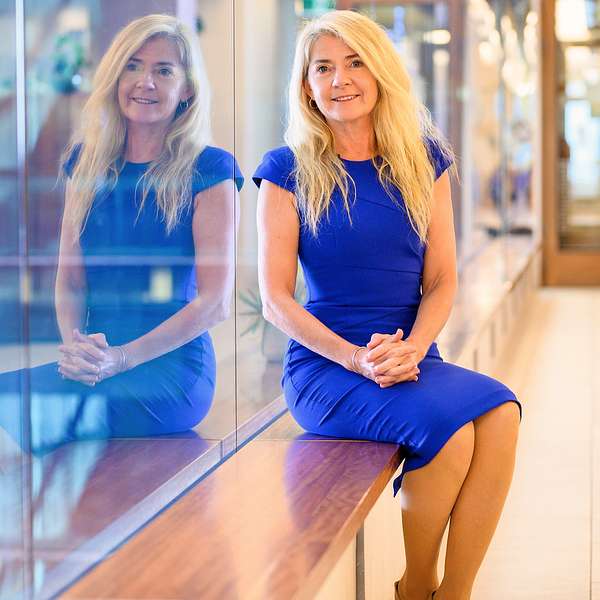
Do you want to learn how to build resilience, boost your cognitive performance, and achieve mental agility? Then it's time to discover the exciting world of brain health and fitness with Thriving Minds. Hosted by renowned neuroscientist Professor Selena Bartlett, Thriving Minds is a podcast dedicated to exploring the latest advances in brain science education.
With decades of experience studying addiction, stress, and mental health, Professor Bartlett is a true expert in her field. And she's on a mission to empower people to take control of their mental and physical well-being. So what makes Thriving Minds so unique?
It's not just about theory – it's about practical tips and simple tools that you can use to improve your brain health and fitness right now. From understanding how stress wires the brain, the power of cold exposure, nutrition and exercise and connection.
Thriving Minds is also a deep dive into cutting-edge brain science and digital technology. From neuroplasticity to brain imaging, Professor Bartlett and her team are at the forefront of this rapidly evolving field. They're exploring the latest research and innovations and sharing their insights with listeners around the world.And the best part?
Let's make brain health everyone's business. They're inspiring people to take action and create a culture of mental fitness, where people prioritise their brain health as much as their physical health.
Tune in to the podcast and discover the secrets of brain health and fitness. Whether you're looking to boost your cognitive performance, reduce stress, or improve your overall well-being, Selena and her team are here to help you thrive.
The opinions expressed in the podcast are Selena Bartlett's personal opinion and her guests. They are for general informational purposes only and do not constitute the practice of medicine, nursing, psychology or other professional health care services, including the giving of medical advice, and no doctor/patient relationship is formed. The opinions in the podcast do not reflect the opinion of Queensland University of Technology.
THRIVING MINDS PODCAST
Episode #208. Welcome 2026. From Crisis to Care: Seeing humanity in mental health prevention and treatment, Professor Sharon Lawn, Executive Director Lived Experience Australia
The podcast episode featured a conversation with Professor Sharon Lawn about mental health systems, lived experience, and the importance of humanising care for individuals with mental health challenges.
We discuss the need for more person-centered, compassionate approaches in mental health services and the value of incorporating lived experience perspectives into research, policy, and practice. The conversation emphasized the significance of community support, everyday acts of kindness, and treating individuals with dignity beyond their diagnoses to transform mental health care systems.
Sharon covered several key topics:
Personal and Professional Background
- Sharon's journey shaped by rural upbringing, family openness about mental health, and early career experiences working with veterans at a psychiatric hospital
- Her observational approach to understanding mental health systems and power dynamics
Lived Experience in Mental Health
- Definition and importance of lived experience work in valuing individuals' perspectives
- How to intentionally use lived experience to create understanding and humanize mental health services
- Challenges of incorporating lived experience safely and effectively in professional contexts
Dehumanisation and Systemic Issues
- The contrast between seeing people as humans versus focusing solely on diagnoses and symptoms
- Problems with impersonal language, labeling, and assumptions in mental health care
- How systems deflect responsibility by labeling patients as "non-compliant" or "too complex"
Transforming Mental Health Services
- The need for services to reach people in their own spaces rather than requiring them to seek help
- Importance of person-centered, proactive approaches versus crisis-driven systems
- Value of both formal and informal support systems, including community organizations
Humanisation and Connection
- Practical ways to show compassion through everyday acts like using people's names, bringing flowers to hospital visits
- The significance of small human connections and being seen
- Building community through simple gestures of kindness and acknowledgment
Based on the meeting discussion, Sharon Lawn recommends several specific changes for mental health systems:
Shift from Crisis-Driven to Proactive Care
- Services should reach out to people in their own spaces rather than requiring them to seek help
- Move away from reactive, crisis-driven approaches to more accessible, preventive care
Humanise and Personalise Services
- Use people's names and treat them with dignity and respect
- See individuals beyond their labels and diagnoses, recognizing their strengths and skills
- Stop using impersonal language and dehumanizing practices
Incorporate Lived Experience
- Increase representation of people with lived experience in the workforce
- Value and integrate lived experience perspectives into research, policy, and practice at every level
- Create safe spaces for people to share their experiences without reducing them to mere "performances"
Respect Autonomy and Rights
- Recognize individuals' autonomy and human rights in treatment settings
- Stop deflecting responsibility by labeling patients as "non-compliant" or "too complex"
Integrate Formal and Informal Support
- Recognize the value of both professional services and community-based organizations run by people with lived experience
Subscribe and support the podcast at
https://www.buzzsprout.com/367319/supporters/new
Learn more at www.profselenabartlett.com